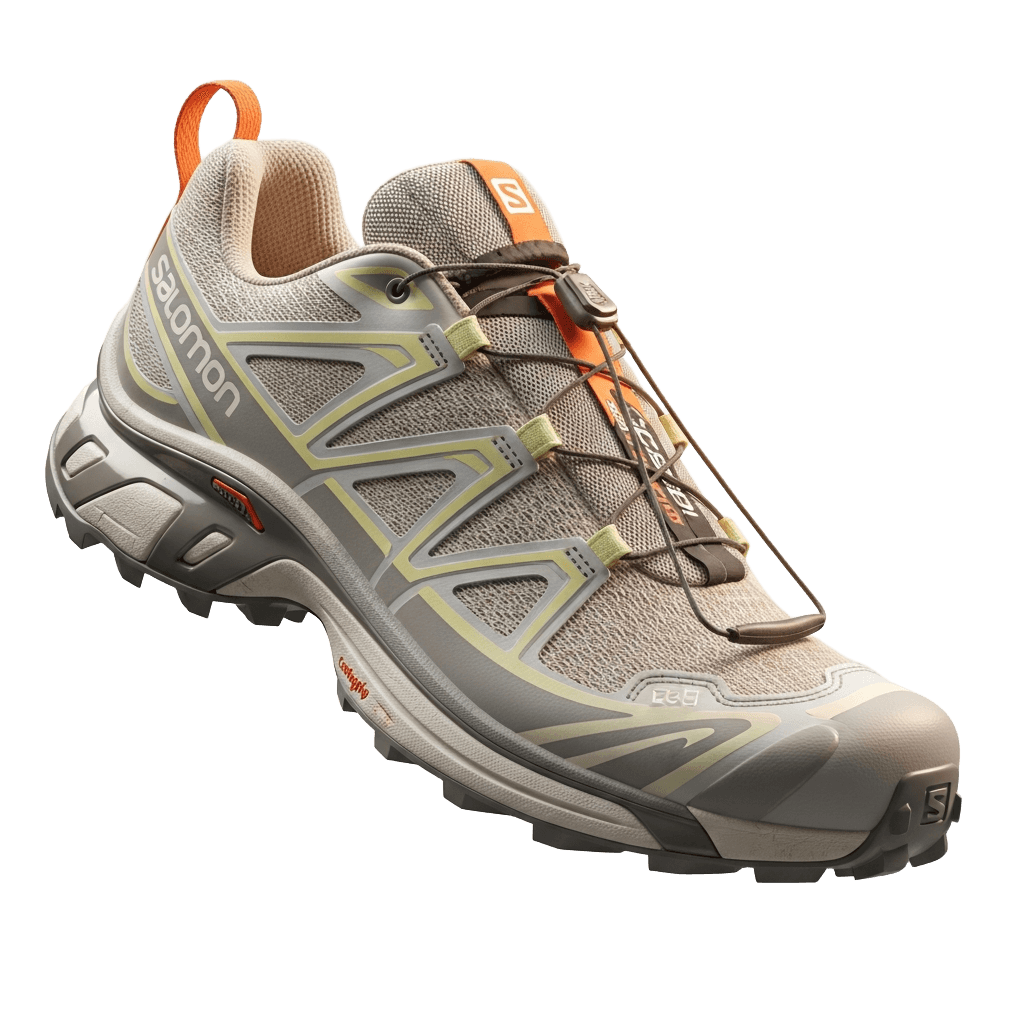

Some objects are useful because of what they do. Others stay with us because they remember something on our behalf: a receipt tucked into a book, the shoe that still knows the shape of one summer, the cheap little heart that somehow survived every move.
Pocket inventory
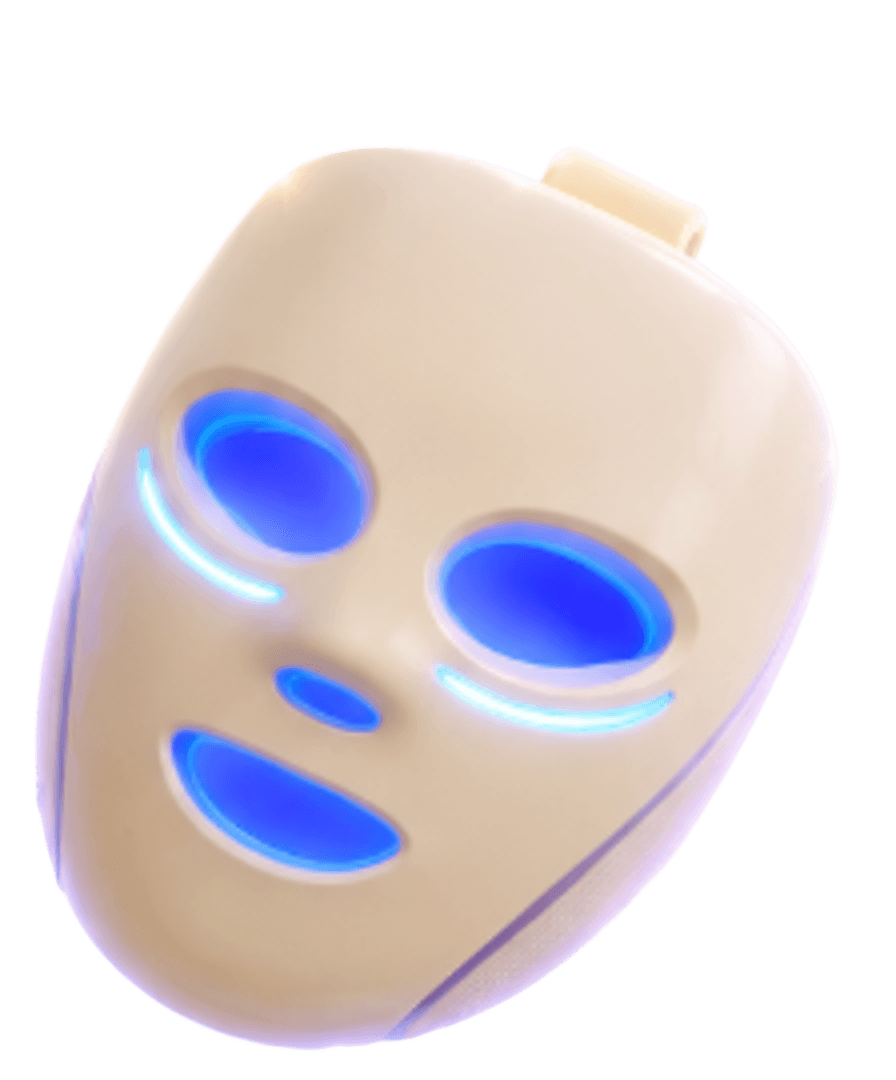
The collection starts as a pile. A snack, a box, a mask, a turntable, an envelope. None of them explains the whole person. Together they make a better kind of portrait, less direct and more honest.
Digital spaces usually flatten keepsakes into folders and thumbnails. This one lets them misbehave for a second. They can drift, overlap, glow and take up too much room before the page settles back into reading.
Release
A burst is not the same as clutter. It has a source, a direction and an afterimage. The objects fly out from one low point, overshoot their places, then land around the viewport like pins on a private map.
The motion is intentionally quick at the start. The first gesture belongs to surprise; the slower settling belongs to memory. By the time the text returns, the objects have already done their job.
After the burst
What remains is a normal article again, which matters. The animation should not trap the reader inside a demo. It opens the door, creates a bit of weather, and then gets out of the way.
That rhythm is the point: a page can have one impossible moment and still be calm enough to read afterward.